Jakarta (ANTARA) – The Jakarta Transportation Agency ensures that the fares for urban public transport (angkot) integrated with JakLingko will not experience an increase in connection with the price adjustment of subsidized fuel (BBM).
“The fares for public transportation in Jakarta that have been integrated into the JakLingko program will have no fare increase,” said the Head of the Jakarta Transportation Agency, Syafrin Liputo, in Jakarta, Wednesday.
Public transportation already integrated with JakLingko includes TransJakarta, both for the main corridors passing through stations (BRT) and those without stations or non-BRT.
Meanwhile, for regular public transportation not yet integrated with JakLingko, fare adjustments are still being discussed by the Jakarta City Transportation Council (DTKJ).
Later, the result of that decision will be proposed to the Governor of DKI to be established.
Even so, Syafrin has not yet provided details on the projected adjustment amount for regular public transport service fares that are not yet integrated with JakLingko.
The Jakarta Provincial Government provides subsidies to three modes of mass public transportation.
The total subsidy for the three mass transportation modes (MRT, LRT Jakarta, and TransJakarta) in 2019 reached Rp14 billion, then in 2020 reached Rp4 billion, and in 2021 reached Rp6 billion.
Meanwhile, the Jakarta Land Transportation Organization (Organda) plans to adjust urban public transport fares following the increase in subsidized fuel prices by a range of approximately 12.5 to 17.5 percent.
“We are discussing the amount so that it is not too burdensome for the people,” said the Chairman of Jakarta Organda, Shafruhan Sinungan.
He gave an example that current angkot fares reach around Rp5,000 and efforts are being made so they do not exceed Rp5,500, or are estimated to increase by Rp500 so as not to burden consumers.
His party is currently finalizing the plan for the urban public transport fare increase together with DTKJ and the Jakarta Transportation Agency, to be completed in the near future.
Currently, he continued, the number of mikrolet that are not yet integrated reaches around 4,500 units, out of a total of approximately 6,600 units.
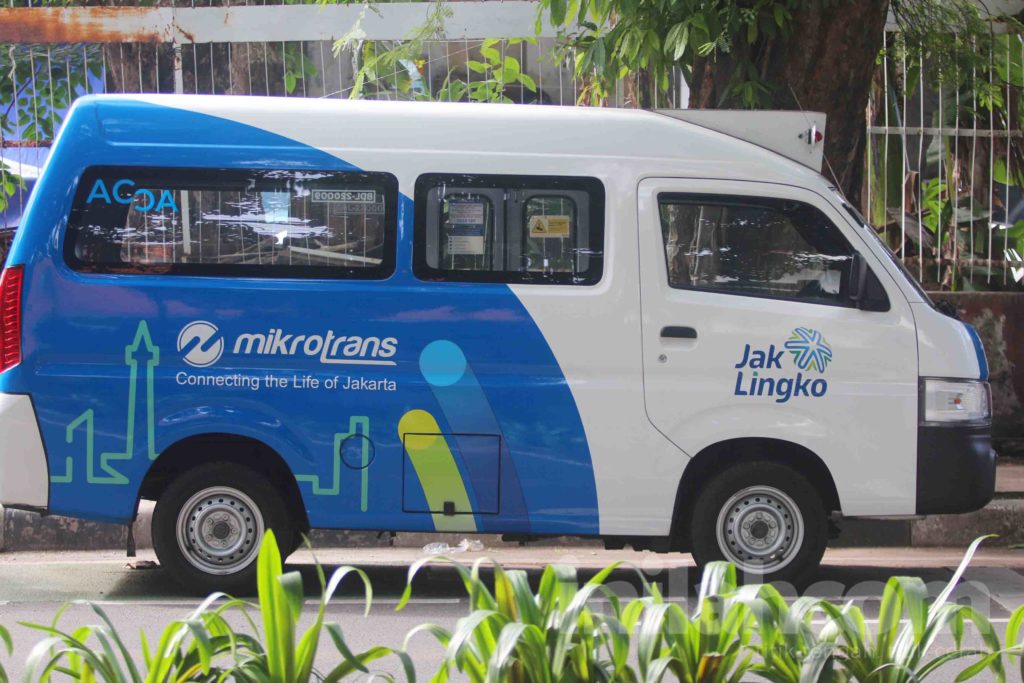
Meanwhile, the remaining approximately 2,100 mikrolet units are already integrated with JakLingko under the name Mikrotrans.